
Biomedical procedure PRF (PRP/PRGF)
Medicine and dentistry have always sought to accelerate and improve healing processes using only natural, endogenous substances. This is possible thanks to the innovative biomedical procedure PRF (also known as PRP, PRGF®-Endoret® or autologous blood therapy)*.
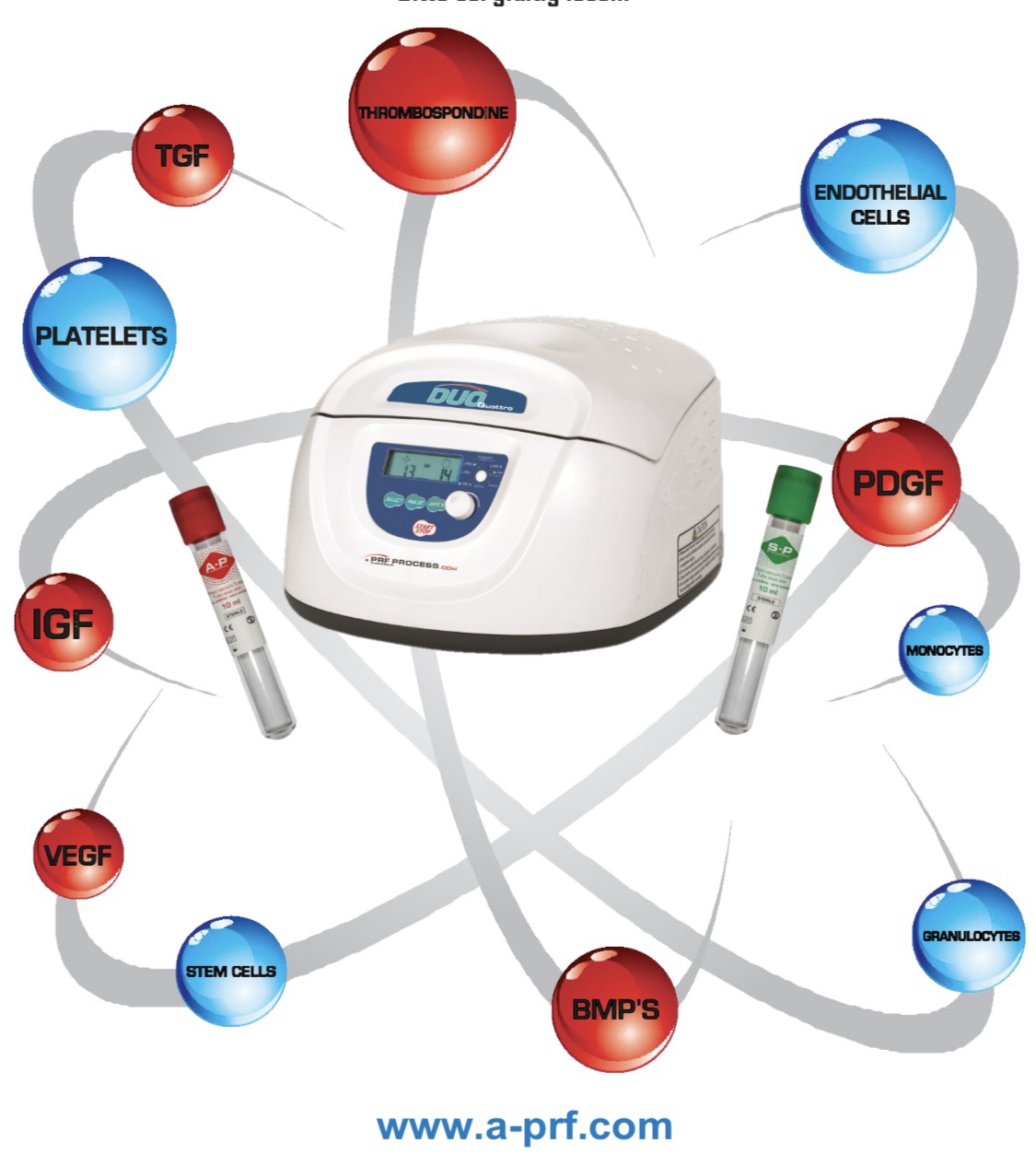
The PRF procedure uses the patient’s own growth factors, which are found in high concentrations in human blood. These are signaling molecules or mediators that the body releases when wounds or injuries occur. Growth factors stimulate natural building and regeneration processes, such as cell division and the formation of new tissues and blood vessels.
What makes PRF special: Since the procedure is based on 100 percent of the patient’s own natural substances, it is completely biocompatible. Allergies, side effects, or rejection are impossible.
* Individual names are derived from the different manufacturing methods and components used: PRF = platelet-rich fibrin, PRP = platelet-rich plasma, PRGF = growth factor-rich plasma.
The advantages of PRF at a glance
- The success of the treatment is increased.
- The healing, growth, and regeneration processes of wounds are accelerated.
- The risk of wound infections or complications is reduced.
- Pain and other accompanying symptoms, such as swelling, are reduced. Treatment is less stressful overall. Recovery is faster.
- Recovery and rehabilitation time after surgical procedures is shorter.
Potential applications
The PRF procedure is currently offered by some practices. It can be used as an alternative treatment in oral and maxillofacial surgery, cosmetic surgery, and general dentistry for various procedures.
- In implantology: Improved osseointegration of implants in the jawbone. This leads to an increased success rate in implant treatment (especially improved primary implant stability). In addition, the overall treatment duration is shortened, as surgical procedures can be performed at shorter intervals.
- Bone augmentation before/during implantation: to improve bone quality and promote bone regeneration around implants.
- After tooth extraction: to fill the bone fossa and preserve the jawbone (regeneration of the jawbone and soft tissues, including by promoting the formation of new blood vessels and thus supplying the tissue with nutrients).
- In general, in surgical treatments: promoting wound healing, especially in patients with delayed wound healing, such as diabetics and smokers; tissue regeneration after surgical procedures such as apicectomy and cyst removal.
- Periodontal treatment/periodontal surgery: Used in regenerative procedures for bone regeneration in advanced periodontitis (with bone damage) or in gum grafting/recession coverage.
- Aesthetic surgery: Used in facelifts, plastic surgery, wrinkle reduction (“platelet-rich plasma”, “vampire facelift”), improving skin texture on the face and neck, reducing age spots, improving skin elasticity, treating certain skin diseases, etc.
- In addition, PRF is used in many other medical specialties, such as orthopedics, sports medicine, and ophthalmology.
Treatment procedure
- Before the treatment, we take the required amount of venous blood.
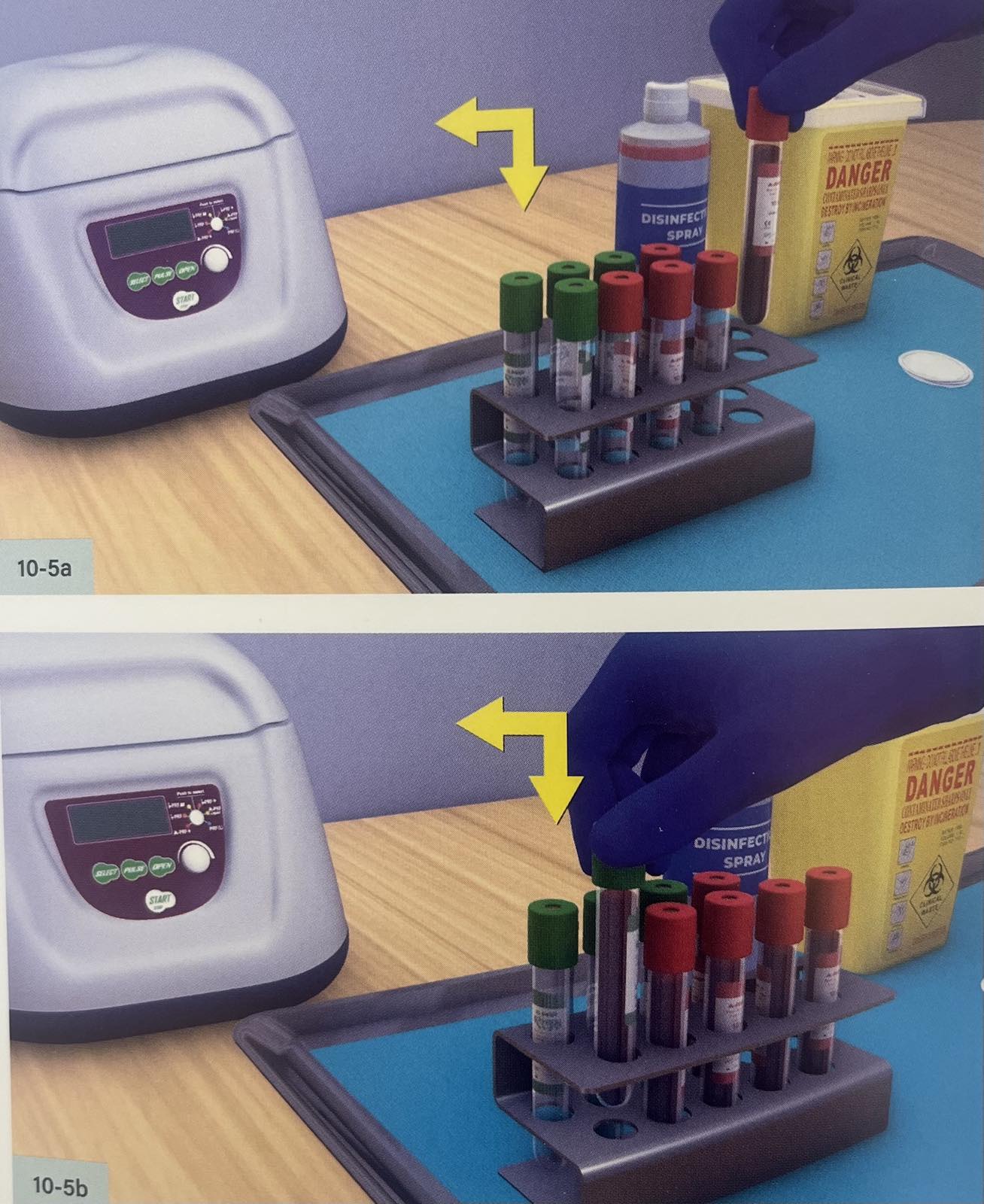
- We prepare the blood in a centrifuge to separate the plasma enriched with growth factors from other blood components.
- The plasma is applied to the treated area before or during the procedure, either as a liquid or as a resulting biological membrane. Depending on the application, the plasma can also be mixed with the patient’s own bone fragments.